
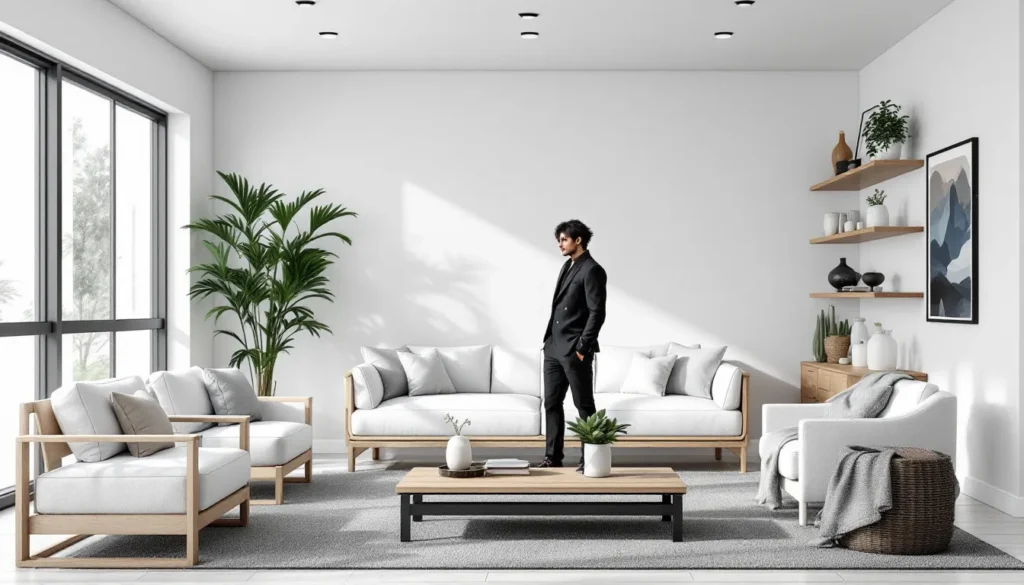
Owning a house in Final Fantasy XIV is one of the most rewarding long-term goals you can pursue. It’s a sanctuary from the chaos of dungeons and raids, a personal space where you can express creativity, and honestly, a status symbol among your Free Company. But jumping into the housing market without preparation? That’s a fast way to burn through gil and end up with a cramped, chaotic mess that doesn’t reflect your vision. This guide covers everything you need to know about securing, designing, and maintaining a Final Fantasy house in 2026, from understanding the housing system to executing your first design project like a pro.
Table of Contents
ToggleKey Takeaways
- Securing a Final Fantasy house requires planning, gil budgeting, and understanding the lottery system—small plots start at 3-4 million gil with monthly estate taxes of 3% of purchase price.
- Free Company houses share tax costs with guild members, while personal residences offer complete creative freedom but require solo financial commitment and regular visits to prevent demolition.
- Furniture sourcing through crafting, dungeons, raid drops, and the Market Board allows decorators to maximize customization—waiting 2-3 weeks after patches for prices to stabilize saves millions in gil.
- Themed designs (tavern, botanical, raid galleries) create cohesive spaces, while stacking furniture vertically multiplies available space and transforms layout possibilities.
- Estate tax must be paid every 45 days to prevent house demolition, and Free Company housing requires at least one member visiting every 60 days to keep the property active.
- New homeowners should start with apartments or modest plots, observe community designs for inspiration, and build gradually—quality execution beats rushed decoration regardless of plot size.
What Is Final Fantasy House?
A Final Fantasy house is your personal or Free Company residence in FFXIV, a customizable living space where you can decorate, craft, entertain friends, and roleplay. Unlike apartments, which offer limited personalization, houses come with interior and exterior space, gardens, and significantly more furniture slots.
Housing serves multiple purposes beyond aesthetics. It functions as a social hub where Free Companies gather for events. It’s a crafting hub with specialized areas set up for specific crafting classes. For collectors, it’s a gallery to display rare furniture and achievements. Some players use it as a roleplay space, others optimize it purely for function, and many aim for Instagram-worthy design goals.
There are three main housing types: Free Company houses (shared Free Company property), personal residences (solo player homes), and apartments (smaller, instanced options). Each has distinct advantages, costs, and customization potential. Most serious decorators and social players gravitate toward houses, whether personal or Free Company, because of their expansive interior space and yard areas.
The Final Fantasy house system has evolved since its 2014 launch. Server-wide housing lottery systems introduced in patch 5.3 replaced first-come-first-served purchase windows, making acquisition fairer but more competitive. In 2026, housing remains one of the most coveted and actively updated features in FFXIV, with regular furniture drops from raids, dungeons, and seasonal events.
How Housing Works in Final Fantasy XIV
Housing Districts and Availability
Final Fantasy XIV has multiple residential districts across all data centers and worlds. Each district contains subdivisions, Ward 1 through Ward 4, and within each ward are individual plots ranging from small to large. Ward size and plot tier directly affect price and how much furniture you can place.
Housing availability rotates regularly. The system uses a lottery system where players register for available plots during a designated lottery period, typically lasting several days. Winners are drawn randomly, though players with higher Free Company rank or longer tenure on the server may have slight advantages for Free Company plots. If you lose the lottery, your gil is refunded, and you can enter again during the next period.
Ward availability varies by world population and region. High-population worlds like Balmung and Gilgamesh have fierce competition and longer lottery waits, while smaller roleplay-focused worlds might have more frequent openings. Transferring to a less populated world sometimes makes getting housing significantly easier, worth considering if your primary goal is securing a plot.
Purchase Requirements and Gil Cost
Before you can even bid in the housing lottery, you need three things: a Free Company rank of at least 6 (for Free Company houses), or if buying a personal residence, you simply need enough gil and the appropriate rank. You also need an Estate Deed, a special item that functions as proof of residence permission, these drop from endgame content or can be purchased on the Market Board.
Gil costs scale with plot size. Small plots start around 3-4 million gil, medium plots run 8-10 million, and large plots exceed 50 million gil depending on district desirability and server. Subdivisions (duplicate districts that reduce competition) sometimes have slightly lower prices. Apartments cost a flat 500,000 gil but offer minimal customization compared to full houses.
Once you purchase a plot, you don’t pay the full price again, but you do pay monthly estate taxes, typically 3% of the original purchase price for small plots, scaling up for larger residences. Fail to pay estate tax for 45 days, and your house enters demolition queue. The demolition process takes weeks, but you will lose your plot and all contents if you don’t pay up. Set a calendar reminder for tax deadlines: it’s the fastest way to accidentally lose a house you’ve spent months decorating.
Types of Houses and Residential Options
Free Company Houses
Free Company houses are owned and maintained by the guild itself, with only Free Company leadership able to manage décor and permissions. The benefit? Multiple players share the monthly tax burden, making even large plots affordable. The downside? Limited personal creative control, you’re decorating a shared space with collective input.
Free Company houses are ideal for active, well-organized Free Companies with clear aesthetic visions. They function as headquarters, crafting hubs, and social venues. Leadership typically designates themed rooms: one for gatherings, one optimized for crafting setups, one for casual lounging. Some Free Companies rotate design responsibility quarterly, letting different members take creative control.
The Free Company must maintain a rank-6+ status to hold housing. If the Free Company dissolves or drops below the required rank, the house enters demolition. For this reason, many casual players don’t buy Free Company houses unless the organization is stable and financially committed.
Personal Residences
Personal residences offer complete creative freedom, you design every aspect without committee consensus or rank restrictions. You pay the full monthly tax yourself, so it’s a personal financial commitment. But what you create is entirely yours.
Personal houses range from cozy cottages to sprawling estates. Solo players, married couples, or player groups sharing gil pools often pursue personal residences because they can carry out unified design visions without debate. They’re also flexible, you can overhaul the entire aesthetic whenever you want without needing consensus from Free Company members.
Buying a personal residence doesn’t require Free Company rank, though some players pursue both: a personal residence for creative projects and a Free Company house for their guild. This requires managing two estates and paying two tax bills, but it’s possible for financially established players.
Apartments and Alternative Housing
Apartments are smaller, instanced personal spaces that cost 500,000 gil and have no monthly tax. But, they offer severely limited customization, far fewer furniture slots and no exterior yard space. They’re designed as entry-level housing for players who want a personal space without the gil investment or maintenance.
Apartments are ideal for casual players, alts who want basic housing, or players testing whether they’ll actually commit to decoration before dropping millions on a full house. They won’t give you Instagram-level aesthetics, but they provide a private room and crafting space.
Some long-term players maintain apartments for utility (extra retainer bells, market board access, aetheryte plaza shortcut) while saving up for a full house. It’s a practical middle ground between homelessness and major gil commitment.
Interior Design and Customization
Furniture and Décor Options
Final Fantasy XIV’s furniture catalog is staggering, thousands of items ranging from functional pieces to purely decorative. Every raid tier, dungeon, and seasonal event drops housing-specific items. Crafted furniture comes from Carpenters, Blacksmiths, Armorers, and Goldsmiths. Vendors sell basic options. The Market Board teems with player-crafted and gathering-sourced pieces.
Furniture falls into categories: seating (couches, chairs), tables and surfaces, lighting, walls and flooring, rugs, and decorative accents. Stacking items, placing furniture on top of or partially inside other pieces, is a core decorating technique that multiplies available space. Advanced decorators use stacking to create entirely new room layouts within a single space.
Seasonal events introduce limited-edition items that reappear yearly but create urgency. The Moonfire Faire furniture set won’t return until next summer. Miss Heavensturn decorations? You’re waiting until next New Year. Prices skyrocket for rare seasonal pieces on the Market Board weeks before events return.
Layout Planning and Space Optimization
Before decorating, sketch your vision. Understand your plot’s dimensions, small plots are roughly 50×50, mediums are 60×60, and large plots are 80×80 in-game units. Most decorators use external tools or spreadsheets to map furniture placements, especially when stacking complex arrangements.
Room division is critical. Many houses use partitions, rugs, and furniture clusters to create distinct zones: a living area near the entrance, sleeping quarters, crafting space, and garden areas. Some players recreate their favorite locations from Eorzea: others design dream homes inspired by real-world architecture.
Vertical space matters enormously. Wall-mounted shelves, floating bookshelves (achieved through stacking), and ceiling-hung decorations maximize usage. A three-story house layout using shelving and stacking techniques squeezes vastly more items into the same square footage.
Themed Room Ideas and Inspiration
Themed designs aren’t mandatory, but they create cohesive, visually impressive spaces. Popular themes include:
- Mog Station elegance: Minimalist modern design using white, gray, and black furniture for a sleek, contemporary feel.
- Fantasy tavern: Wooden beams, fireplaces, bar counters, and cozy seating recreating an inn atmosphere.
- Botanical garden: Heavy plant usage, waterfalls, and outdoor-themed décor creating an oasis aesthetic.
- Raid-themed galleries: Displaying boss furniture drops as centerpieces with complementary décor highlighting specific raid tiers.
- Roleplay spaces: Building functional scenes, a merchant shop, adventurer’s lodge, or residential apartment, for in-character interactions.
Inspiration comes from Siliconera housing showcases, Reddit’s r/ffxivhousing, Twitter hashtags like #FFXIVhousing, and Discord servers dedicated to decorating. The community actively shares designs, techniques, and before-and-after transformations. Joining housing-focused Discord communities connects you with decorators, potential furniture-trade partners, and collaborative design projects.
Obtaining Furniture and House Items
Crafting and Gathering Methods
Carpenter class produces most wooden furniture, shelves, and flooring. Blacksmith and Armorer classes create metal furniture and fixtures. Goldsmith crafts decorative accents and jewelry displays. Weaver produces rugs and tapestries. Each crafter needs materials gathered from mining, logging, botany, and fishing, or purchased from retainers and the Market Board.
Crafting furniture yourself saves significant gil compared to buying finished pieces. A single Market Board wooden bookshelf might cost 50,000 gil, while crafting it costs materials worth 10,000 gil if you gather yourself. For players maintaining multiple houses or designing elaborate spaces, learning crafters pays off immediately.
Dungeons and raids drop furniture directly. Every raid tier since Shadowbringers includes housing-specific drop furniture. These pieces are often thematic to the raid’s aesthetic and can’t be crafted, making them desirable. Some furniture only appears as raid drops, you can’t craft or vendor them anywhere else.
Market Board and Trading
The Market Board is your primary furniture source if you don’t craft. Prices fluctuate based on supply, rarity, and demand. Immediately after patches that introduce new furniture, prices are inflated. Wait 2-3 weeks for prices to stabilize and drop as more players craft and supply increases.
Direct player-to-player trading lets you negotiate prices, trade furniture you don’t need for pieces you want, or work out bulk deals. Join housing-focused Free Companies or Discord servers where decorators regularly post “ISO” (in search of) and “selling” threads. Networking with decorators often nets better prices than relying solely on the Market Board.
Flipping furniture, buying low, waiting for demand to spike, and selling high, is viable if you have gil to invest. Seasonal items approaching their event reappearance tend to spike in price. New patch furniture initially costs more before becoming cheaper. Patient decorators time their purchases strategically.
Seasonal and Limited-Edition Items
Every seasonal event introduces unique furniture that won’t reappear for a year. Moonfire Faire (summer) has beach and tropical themes. Heavensturn (New Year) has elegant Asian-inspired décor. All Saint’s Wake (Halloween) offers spooky and gothic furniture. Starlight Celebration (Christmas) brings festive items. These return yearly but only during specific windows.
Limited-edition furniture from past promotional events, like Hildibrand quest rewards or special collaborations, sometimes never returns. Collecting these pieces while available or purchasing them later from resellers investing heavily in rare inventory is a long-term décor goal for many players.
Seasonal items command premium prices on the Market Board weeks before events return. A piece worth 50,000 gil during its event might cost 300,000 gil when it’s off-season and only available through previous buyers. Plan seasonal shopping early or stockpile during events if you know you’ll want specific pieces next year.
House Maintenance and Upkeep
Estate Tax and Demolition Policies
Estate tax is the monthly fee you pay to keep your house. The amount is a percentage of the original purchase price: 3% for small plots, 5% for medium, and 10% for large plots. A 50 million gil large plot costs 5 million gil monthly, significant, but manageable for raiders and active players.
Tax is due every 45 days. Miss the deadline, and your house enters a demolition queue. You get a 35-day window after failing tax to pay and save your property. After 35 days, the house is demolished, and the plot opens for lottery.
Demolition erases everything inside, all your furniture, décor, and personal items vanish. This isn’t a recovery system: it’s a permanent loss. Set calendar reminders for tax dates. Many Free Companies assign one member to handle tax payments for the guild house to prevent accidental demolition.
Keeping Your House Active
Simply paying tax isn’t enough, you need to actually visit your house regularly. If no one in a Free Company enters the house within 60 days, it auto-demolishes even if tax is paid. Personal residences require the owner to visit within the demolition window.
For active players and guilds, this isn’t an issue. Visit your house weekly during dungeon runs, patch content, or casual gaming sessions. Free Company housing requires at least one member logging in and entering the estate periodically, usually no problem for established organizations.
If you’re taking an extended break from FFXIV, vacation, life events, burnout, make arrangements for housing maintenance. Free Company leaders should inform members of tax deadlines. Solo players might ask Free Company friends to occasionally visit their personal house and log it as occupied.
Large plots in prestigious locations on high-population servers are gold. Losing them to neglect while on hiatus is a tragedy many players lament. Don’t let that be you, either stay engaged or prepare your house for extended absence by ensuring backup visitors or planning return dates around tax deadlines.
Tips for New Homeowners
Budget Planning and Gil Management
Before entering the housing lottery, calculate total costs. Plot purchase price is just the beginning. Factor in Final Fantasy 14 Gil: for monthly taxes, initial furniture purchases, and ongoing decorating. A medium plot might cost 10 million gil to buy, 500,000 monthly in tax, and another 10-20 million in starter furniture.
Start with a realistic budget. Don’t dump everything into your house during year one. Buy a plot, furnish essential areas (living space, crafting corner), then gradually add décor as you accumulate gil through raiding, crafting, or treasure hunting. Patience is a design skill.
Consider joining a Free Company if housing costs intimidate you. Shared large-plot houses let you participate in group decoration projects and aesthetic goals without solo financial burden. Plus, you’ll get decorating mentorship from experienced guild members.
If you’re completely new to housing, start with an apartment. Spend a few months learning the decoration system, gathering aesthetic inspiration, and saving gil. Once you’re confident about your vision and financial capacity, pursue a full house.
Starting Your First Design Project
Don’t start decorating immediately. Spend your first week observing.
Visit other houses using the housing district teleporters. Walk around wards, chat with residents, and screenshot designs you love. Join housing Discord servers and review showcases. This research phase clarifies what aesthetics appeal to you and what’s actually achievable.
Next, choose a theme or aesthetic direction. Don’t try to create a gallery mashup of 50 different furniture styles. Cohesive designs feel complete even if they’re smaller. A well-executed tavern beats a cluttered collection of random pieces.
Start with essentials: a bed (bedroom area), a table (social gathering spot), basic seating, and floor/wall décor. Once those are solid, add layers, lighting, wall decorations, rugs, ambient pieces. Build outward methodically rather than dumping everything at once.
Use RPG Site guides and community resources for stacking tutorials and advanced decoration techniques. Stacking is intimidating initially but becomes intuitive. Learning to place shelves vertically and inside other furniture opens entirely new possibilities.
Join the Final Fantasy XIV Archives community on Hearthlinevictory or housing-focused Discord servers. Post your design-in-progress, ask for feedback, and request furniture recommendations. The FFXIV community is incredibly encouraging and helpful to new decorators.
Don’t compare your early designs to Instagram-tier showpieces created by veterans with millions in gil and hundreds of hours invested. Your house is a journey. Take pride in your progress, celebrate small milestones, and enjoy the creative expression. That first fully coordinated room feels incredible, way more satisfying than rushing a 100% finished mansion.
Conclusion
Owning a Final Fantasy house is one of FFXIV’s most rewarding experiences. It’s a personal project that evolves with your playtime, a creative outlet that expresses your personality, and a sanctuary in the world of Eorzea. Whether you’re building a Free Company headquarters, a personal escape, or a roleplay venue, the housing system offers unlimited possibilities.
Success comes from patience, planning, and community engagement. Save gil strategically, research designs that inspire you, and don’t pressure yourself to create a masterpiece immediately. Housing is a marathon, not a sprint.
The housing community on your server and across data centers is enthusiastic and supportive. Gematsu and other gaming news outlets regularly feature community spotlights. Your own house, whether modest or elaborate, is a contribution to FFXIV’s incredible social fabric.
Start small, build with intention, and enjoy the journey. Your Final Fantasy house is waiting.

