
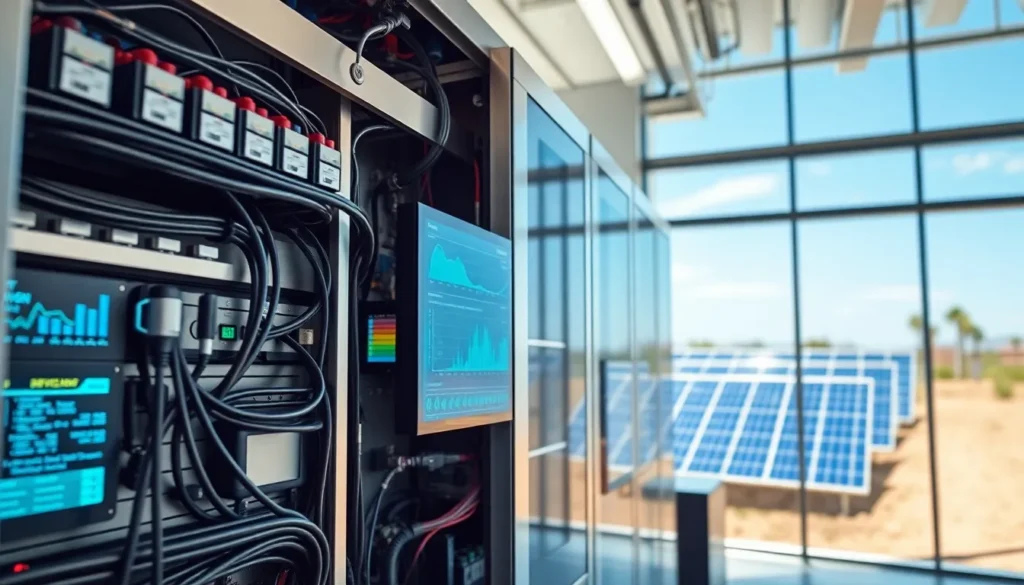
Power retention, a critical factor in energy management, has gained significant attention in recent years. It refers to the capacity of a system to maintain its power output over prolonged periods without degradation. Understanding its significance not only helps in numerous industrial applications but also impacts everyday technology, from smartphones to renewable energy systems. This article delves into the intricacies of power retention, exploring its science, influencing factors, benefits, and innovative strategies for improvement.
What Is Power Retention?
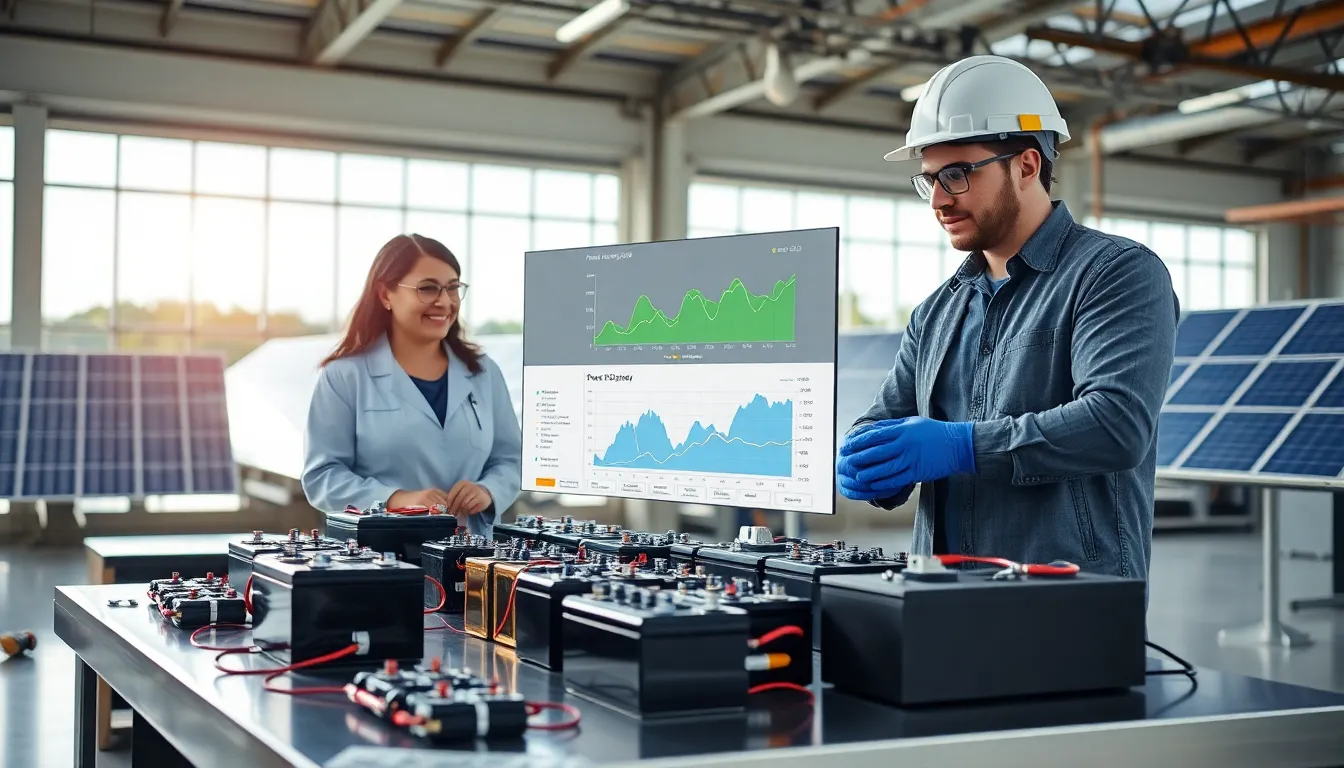
Power retention is the ability of a device, system, or infrastructure to hold and sustain its power output over time. It encompasses various technologies, including batteries, capacitors, and energy storage systems, which ensure that energy remains available for use when needed. In practical terms, power retention ensures that energy generated, whether from solar panels, wind turbines, or traditional power plants, can be stored and used effectively, minimizing waste and maximizing efficiency.
The Science Behind Power Retention
The scientific foundation of power retention lies primarily in electrochemical mechanisms, thermodynamics, and material science. For example, in batteries, power retention is influenced by chemical reactions during charging and discharging processes. These reactions are affected by factors such as temperature, charge cycles, and the materials used in electrodes.
Energy storage systems use principles from these scientific domains to enhance their efficiency. High-performance materials, such as lithium-ion or solid-state batteries, have been developed to improve energy density, so extending the lifespan and effectiveness of power retention.
Factors Influencing Power Retention
Several factors impact power retention, including:
- Material Composition: The types of materials used in batteries or storage systems can significantly affect their ability to maintain power over time.
- Temperature Control: High temperatures can degrade battery life, reducing power retention, while extreme cold can impede performance.
- Cycle Life: The number of charge and discharge cycles influences how well a system retains power. Systems designed for durability generally exhibit improved retention abilities.
- Discharge Rates: The rate at which energy is drawn from storage can impact the efficiency of power retention. Slower discharge rates often enhance overall retention.
Benefits of Enhanced Power Retention
Enhanced power retention provides multiple benefits, including:
- Increased Efficiency: Systems with good power retention can better use stored energy, leading to reduced operational costs.
- Reliability: Improved power retention ensures that energy is available when needed, enhancing reliability in critical systems such as hospitals and data centers.
- Sustainability: Efficient energy retention systems support green technologies by ensuring that harvested energy (like solar and wind) is used rather than wasted, fostering a more sustainable environment.
- Extended Lifespan of Devices: Systems exhibiting enhanced power retention typically have longer lifespans, reducing the need for frequent replacements and associated costs.
Strategies to Improve Power Retention
To optimize power retention, several strategies can be employed, including:
- Advanced Materials: Investing in new materials that offer better electrochemical properties can significantly enhance power retention. Research into graphene or silicon anodes is promising.
- Battery Management Systems (BMS): Implementing sophisticated BMS can help achieve optimal charging and discharging cycles, greatly improving retention.
- Thermal Management: Implementing better cooling systems for energy storage units can prevent heat-related degradation, so enhancing power retention.
- Regular Maintenance: Ensuring that energy systems are properly maintained and regularly assessed can help identify issues before they affect performance.
Case Studies on Power Retention
Examining real-world case studies offers valuable insights into the practical implications of power retention strategies:
- Case Study 1: A renewable energy facility in California implemented a hybrid battery system combining lithium-ion and flow batteries. The result was a significant boost in power retention, allowing the facility to maximize solar energy utilization during peak and off-peak hours.
- Case Study 2: A startup focused on developing a solid-state battery that achieved a 50% increase in power retention compared to traditional lithium-ion batteries. This innovation not only extended the battery life for electric vehicles but also improved their range.
- Case Study 3: In telecommunications, a network provider optimized its backup power systems with advanced BMS, resulting in nearly 40% more reliable power retention during outages.
The Future of Power Retention Solutions
The future of power retention solutions looks promising with advancements in technology. Research is focusing on:
- Solid-State Batteries: Offering higher energy density and safety compared to conventional batteries, these are poised to change the landscape of power retention.
- Artificial Intelligence (AI): Implementing AI-driven analytics to predict and optimize energy needs can lead to smarter energy retention systems.
- Hybrid Solutions: Combining various energy storage solutions (like thermal and kinetic storage) may offer even more efficient retention strategies, responding better to dynamic energy demands.
Conclusion
Summarizing, power retention is a critical aspect of modern energy systems, influencing efficiency, reliability, and sustainability. The need for improved power retention continues to grow with the expansion of renewable energy technologies and electric vehicles. By understanding the underlying science, factors at play, and innovative strategies to enhance retention, individuals and organizations can ensure they harness energy more effectively for a better future.

